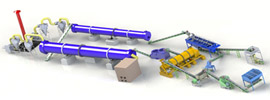
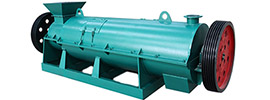
Constructing an organic fertilizer plant on livestock farms offers significant economic, ecological, and social benefits, enabling the creation of a circular agriculture model that integrates animal husbandry and crop cultivation for efficient resource utilization and sustainable development. Below is a detailed analysis of these advantages:
1. Resource Recycling and Reduced Disposal Costs
-
Abundant and Low-Cost Raw Materials
Livestock farms generate large volumes of waste such as manure, spent bedding materials, and deceased animals, which serve as natural raw materials for organic fertilizer production. Establishing an on-site fertilizer plant allows for local conversion of these wastes, cutting transportation and external disposal costs (e.g., landfill or incineration fees) while preventing environmental pollution caused by improper storage.
-
Reduced Reliance on Chemical Fertilizers
Organic fertilizers can partially replace synthetic fertilizers, lowering input costs for crop production. For instance, livestock manure is rich in nitrogen, phosphorus, potassium, and organic matter, which, after fermentation, can directly enrich soil fertility and mitigate soil degradation caused by excessive chemical fertilizer use.
2. Enhanced Product Value and New Revenue Streams
-
Growing Market Demand for Organic Fertilizers
With the rise of organic agriculture and green food production, demand for organic fertilizers continues to surge. Farms can sell their self-produced fertilizers to nearby growers, cooperatives, or agricultural enterprises, creating an additional profit center.
-
Brand Premium Potential
If the farm also produces organic crops (e.g., vegetables, fruits), using its own organic fertilizer can improve product quality, fostering a closed-loop brand of "organic farming + organic livestock." This strengthens market competitiveness and consumer trust.
3. Environmental Compliance and Risk Mitigation
-
Pollution Control
Untreated livestock waste, if discharged directly, can cause water eutrophication, soil compaction, and air pollution. An organic fertilizer plant transforms waste into harmless products through processes like fermentation and sterilization, ensuring compliance with environmental regulations and avoiding fines or shutdowns.
-
Policy Support and Incentives
Governments worldwide encourage resource-based utilization of livestock waste, offering subsidies for equipment purchases, tax breaks, and low-interest loans. Building a fertilizer plant enables farms to access these financial supports, reducing initial investment burdens.
4. Improved Farming Environment and Animal Health
-
Reduced Disease Transmission
Centralized treatment of deceased animals and manure minimizes pathogen proliferation on farms, lowering disease risks and veterinary costs.
-
Enhanced Air Quality
Fermentation processes in fertilizer production effectively reduce harmful gases (e.g., ammonia, hydrogen sulfide) emitted from manure, improving air quality for both animals and workers.
5. Promoting Sustainable Agriculture
-
Soil Restoration
Organic fertilizers increase soil organic matter content, improving water retention and nutrient-holding capacity while reducing erosion. This supports long-term agricultural productivity.
-
Circular Agriculture Model
Farms can establish a closed loop: "livestock → waste → organic fertilizer → crops → feed," minimizing external inputs and agricultural non-point source pollution, aligning with eco-agriculture trends.
6. Mature Technology and Operational Feasibility
-
Simple and Scalable Processes
Organic fertilizer production technologies (e.g., composting, trench fermentation, windrow turning) are well-established, with relatively low equipment costs and operational complexity, suitable for small-to-medium-sized farms.
-
Scalability for Large Farms
Large-scale livestock operations can integrate automated fertilizer production lines, boosting efficiency and further cutting costs, potentially serving as regional waste treatment hubs.
Case Examples
- Wens Group: Through its "company + farmer" model, Wens builds organic fertilizer plants alongside livestock farms, converting waste into fertilizer for partner growers, creating an ecological cycle.
- New Hope Liuhe: The company operates fertilizer plants near its farms, processing hundreds of thousands of tons of manure annually. Products are in high demand, while reduced emissions generate carbon credit revenues.
Conclusion
Establishing an organic fertilizer plant on livestock farms is a win-win solution for pollution control, cost reduction, and profit enhancement. By recycling waste into valuable products, farms achieve environmental compliance, unlock new economic opportunities, and drive agriculture toward greener, more sustainable practices. This model holds high potential for widespread adoption among capable livestock operations.





 Send us a Email
 Wulong Industrial Cluster
 Have any question?